Green School Foundation is proud to support this young man in his journey through education, and in finding his place as a world class change maker.
A fresh future for recent graduate, Jakob
Introducing Jakob, a Green School Alumni, now studying at Toi Ohomai, College & University completing a Diploma in Environmental Management in New Zealand.
His time at Green School has played a pivotal role in fostering his development.
A mother's story - from dimming light, to bright shining star
The underprivileged children do not have access to required financial help and resources needed to live the life of their dreams. We help them with everything they’ll need to live their dreams.
A massive regeneration story
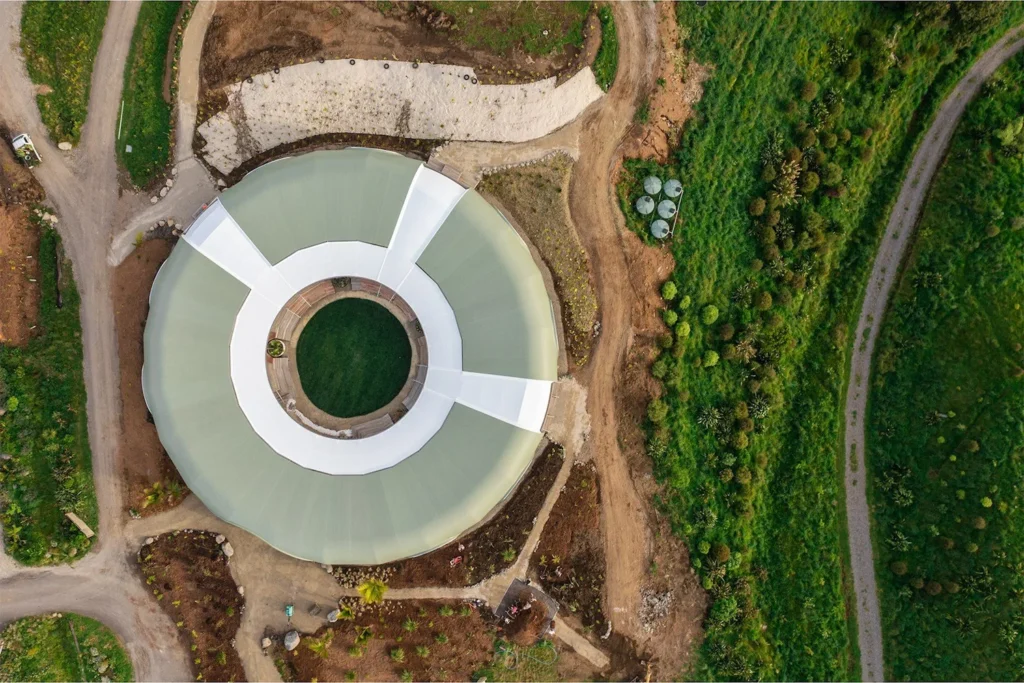
The Green School Campus has evolved significantly since its founders scaled the formerly low production, low input farmland back in 2018. Now a thriving and regenerative landscape showcasing incredible visionary architecture built by locals with respect, passion and grit. See more here: www.greenschool.nz/gallery-campus-evolution
Winners of the Taranaki Regional Council Environmental Award
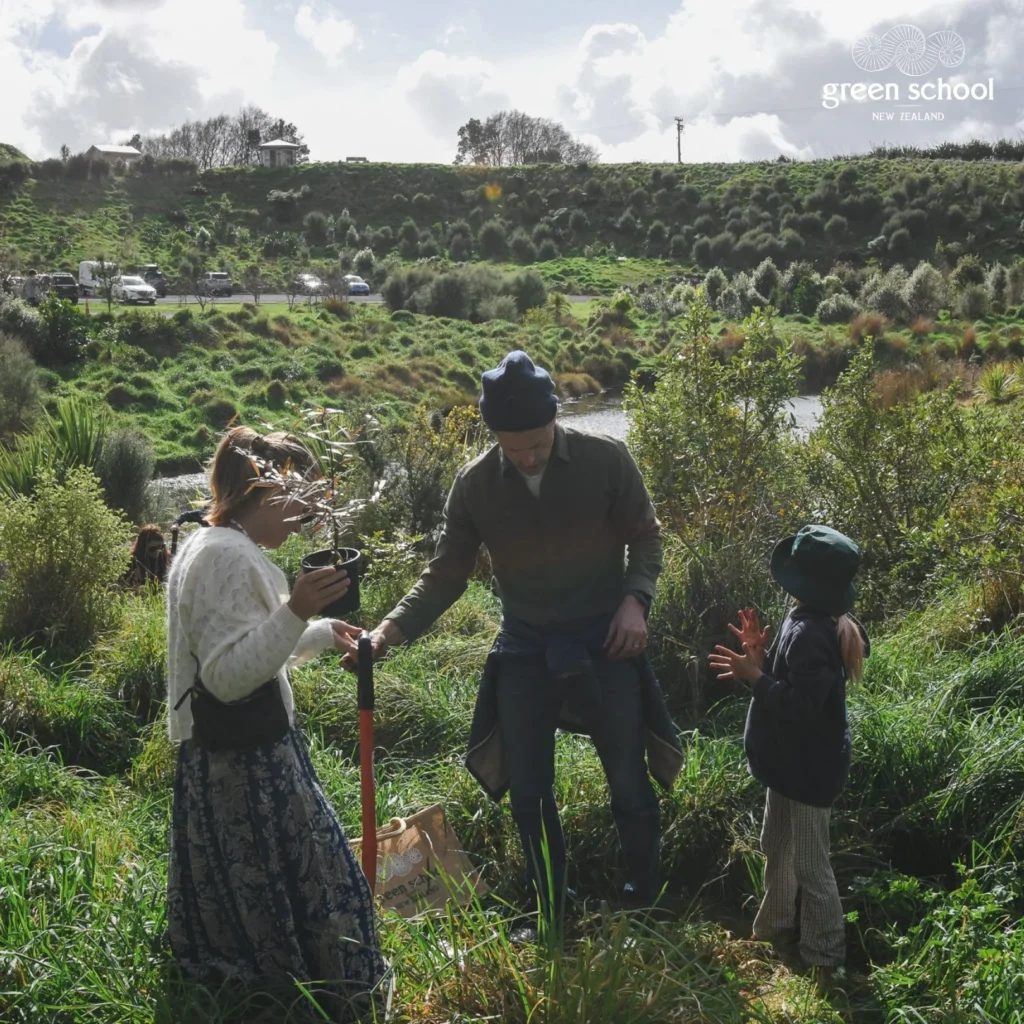
To date, 92% of Taranaki wetland has been either drained or filled. The school has worked with Taranaki Regional Council on a Biodiversity Plan for a Key Native Ecosystem and a vital wetland has now been restored on campus.
Tamariki take part in projects that are essential to raise the public’s understanding of environmental issues and bring about change.
'Key Native Ecosystem' Status Achieved
The Green School in Taranaki has been officially recognised as a Key Native Ecosystem (KNE) site – a designation awarded to areas of significant indigenous biodiversity value. This status reflects the school’s commitment to protecting and enhancing its natural environment, which includes stands of native forest, wetlands, and stream habitats that support a diverse range of native flora and fauna. The KNE recognition is part of a regional initiative led by the Taranaki Regional Council to safeguard the most ecologically important sites across the region, ensuring that key native ecosystems are maintained in a healthy, resilient state for future generations.